Residential Drain Cleaning for New Homeowners: A Complete Starter Guide
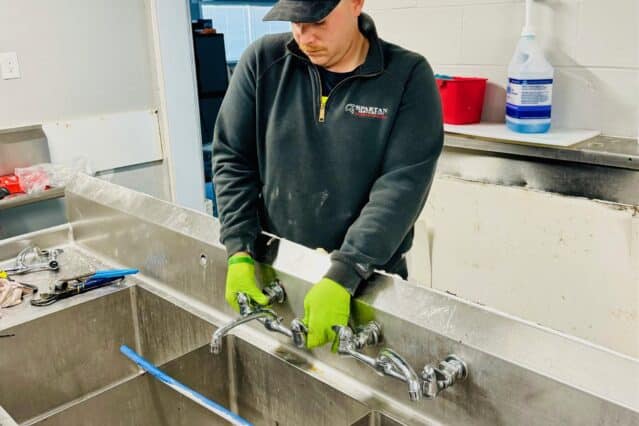
Moving into a new home has a way of making every system feel mysterious for a while. You know where the light switches are within a day or two. You figure out the thermostat by the end of the week. Drains take longer. They stay out of sight until something starts moving too slowly, smelling off, or backing up where it should not.
That is why Residential Drain Cleaning matters more than many first-time homeowners expect. A drain problem often starts quietly. The kitchen sink empties a little slower. The upstairs shower gives off a faint musty odor. The bathroom sink makes a gurgling noise after you brush your teeth. None of those issues feel urgent on their own, yet they often point to buildup that has been forming for months or years.
New homeowners inherit more than square footage. They inherit habits, materials, shortcuts, and neglected maintenance from the people who lived there before. I have seen homes with beautifully renovated kitchens connected to old galvanized drain lines. I have seen bathroom vanities installed so tightly that no one had cleaned the trap in a decade. I have also seen owners panic and pour harsh chemicals into a minor clog, only to damage old pipes and turn a simple service call into a repair.
A good starter guide should do two things. It should help you understand how your drains behave under normal conditions, and it should show you where DIY care ends and professional help begins. If you can make that distinction early, you save money, prevent water damage, and avoid most of the emergency calls that happen on weekends and holidays.
What a home's drain system is actually doing
Freshwater supply gets most of the attention because it is under pressure and easy to picture. Drainage is quieter, but it has a harder job. Every sink, shower, tub, toilet, dishwasher, and washing machine sends wastewater into branch lines that slope toward a larger main drain. That main line carries everything out of the house, usually toward a municipal sewer or a private septic system.
Gravity does most of the work. That sounds simple, but it means the system depends on proper slope, adequate pipe size, venting, and clear passage. When one part falls out of balance, you notice it at the fixture level. Slow draining can mean grease at the kitchen line, hair in the shower trap, soap scum in a bathroom branch, or roots invading the main sewer line outside. Similar symptoms can come from very different causes.
That is one reason homeowners sometimes misread the situation. A tub that drains slowly is often local to that tub. A toilet bubbling when the washing machine drains is a much bigger clue, because it suggests air pressure problems or a developing blockage deeper in the system. If multiple fixtures act up at once, especially on different floors, think beyond the nearest drain opening.
Older homes add another layer of complexity. Cast iron can develop scale inside the pipe. Galvanized steel can corrode and narrow over time. Orangeburg pipe, found in some mid-century homes, can deform and fail. Even newer homes are not immune. Construction debris, poor workmanship, and low spots in buried lines can create trouble early.
The most common causes of clogs in real homes
Most clogs are not dramatic objects lodged in a pipe. They are gradual accumulations. Kitchen drains collect fats, oils, and grease, even when hot water seems to wash everything away. Once grease cools, it sticks to pipe walls and catches food particles. Bathroom drains collect hair, soap residue, toothpaste, shaving cream, and skin oils. Utility drains see lint, detergent residue, and sometimes sediment.
Toilets are their own category. They are built to move human waste and toilet paper, nothing more. “Flushable” wipes remain one of the biggest sources of avoidable drain trouble. They do not break down like standard toilet paper, and they snag easily in rough pipe interiors or root intrusions.
Then there are the outside causes. Tree roots are extremely common in older neighborhoods with mature landscaping. Roots do not punch into sound pipe for no reason. They find tiny cracks, loose joints, or compromised seals where moisture escapes. Once they enter, they expand and trap paper waste and solids until backups begin.
I have also seen a surprising number of clogs caused by well-meaning homeowners trying every remedy at once. One sink had a layer of hardened grease, a partly dissolved chemical cleaner, and pieces of a cheap plastic drain snake broken off inside the trap. The original issue would have taken half an hour to clear if it had been handled simply. Instead, the pipe had to be disassembled, neutralized, and partially replaced.
The warning signs worth taking seriously
A drain rarely fails without sending signals first. New homeowners do themselves a favor when they learn those signals early and respond before wastewater escapes into cabinets, tubs, or flooring.
Here are the signs that deserve attention:
- Water drains slowly at one fixture for several days in a row, especially if the problem is getting worse.
- You hear gurgling from a sink, tub, or toilet after nearby fixtures are used.
- Odors persist even after the fixture has been cleaned at the surface.
- Water backs up into another fixture, such as a tub filling when the toilet flushes or a basement drain getting water when the washer runs.
- More than one drain in the home is acting up at the same time.
A single slow lavatory sink may be a minor buildup near the stopper. Several fixtures slowing at once usually points to a branch line or main line issue. That distinction matters. Local clogs can often be addressed with straightforward cleaning. Main line trouble calls for faster escalation, because the risk is not just inconvenience. It is sewage backup.
The first week in a new home, what to check
You do not need to turn drain care into a full inspection project, but the first week is the right time to establish a baseline. Run water in every sink, shower, and tub. Flush every toilet more than once. Fill and drain the kitchen sink while listening for odd sounds. Run the dishwasher and washing machine if they are already installed. Check under sinks with a flashlight while water is draining, looking for drips, staining, or old repairs.
Basements and crawlspaces deserve special attention. Floor drains often get ignored until they smell or back up. If a floor drain seems dry, that may simply mean its trap has evaporated, letting sewer gas enter the room. Pouring in a bucket of water can restore the seal. If the smell returns quickly, there may be a trap issue, a venting problem, or a larger drainage concern.
Ask for records if you can get them. If the previous owner had the sewer line scoped, cleaned, or repaired, that information is valuable. If the home has a septic system, find out where the tank and cleanouts are located and when the tank was last pumped. Drain behavior ties closely to those hidden parts of the property.
What you can clean yourself safely
There is a lot a homeowner can handle without guessing or risking damage. The key is to work mechanically and gently before reaching for aggressive products. In most houses, the easiest wins come from removing visible buildup near the drain opening and cleaning accessible traps.
This short routine covers the basics:
- Remove and clean sink stoppers, pop-up assemblies, and shower strainers where hair and residue collect first.
- Use a plunger matched to the fixture, a sink plunger for sinks and tubs, a flange plunger for toilets, with enough water to create a proper seal.
- Open and clean the P-trap under a sink if the clog appears local and the plumbing is accessible.
- Use a hand auger or small drain snake for shallow clogs, especially in bathroom sinks, tubs, and showers.
- Flush with hot water afterward, not boiling water on delicate or older piping, to help move loosened residue.
A few practical notes matter here. Put a bucket under the trap before loosening slip nuts. Take a photo of the assembly before you disassemble it. Wear gloves. If the home has old chrome traps or brittle plastic fittings, move slowly. A part that has not been touched in years can crack just from being twisted too hard.
For toilets, a closet auger is safer than a generic drain snake because it is shaped to protect the bowl. I strongly prefer it over repeated force with a plunger once it is clear the blockage is not moving. Too much plunging can splash contaminated water and, in a marginally clogged main, push the problem somewhere less convenient.
The truth about chemical drain cleaners
Most experienced plumbers have a complicated relationship with chemical cleaners, and for good reason. They can sometimes open a soft organic clog near the fixture, but they come with trade-offs that homeowners rarely see on the label.
The first problem is inconsistency. A product may sit on top of standing water and never reach the actual blockage with enough force to help. The second is heat. Some formulations generate significant heat while reacting, which can stress old metal, soften certain plastics, or damage seals. The third is safety. If a chemical treatment fails and https://zaneghhb630.theburnward.com/residential-drain-cleaning-services-explained-in-simple-terms you later open a trap or call for service, that caustic liquid is still in the pipe waiting for whoever touches it next.
Enzyme and bacterial drain maintenance products are different from harsh caustic openers. They are generally gentler and may help reduce organic buildup over time, especially in kitchen lines and septic-friendly settings, but they are maintenance products, not rescue tools. They will not solve roots, foreign objects, or a densely packed obstruction.
If you use any cleaner at all, read the label carefully and never mix products. Mixing chemicals is one of the fastest ways to create fumes, violent reactions, or damaged plumbing.
Drain cleaning tools every homeowner can keep on hand
Owning a few basic tools changes how calmly you deal with clogs. It also keeps small issues from turning into expensive ones because you are forced to improvise.
A simple kit might include a quality plunger, a small hand auger, a pair of channel-lock pliers, nitrile gloves, an old towel, and a shallow bucket. Add a flashlight and you are prepared for most first-line situations. None of that is expensive, and all of it is more useful than a cabinet full of mystery chemicals.
Tool quality matters. A thin bargain snake kinks easily and can break off in the line. A plunger with a poor seal wastes effort. This is one of those areas where spending a little more once usually pays off over years of ownership.
When the problem is bigger than a simple clog
Certain patterns suggest that Residential Drain Cleaning should be left to a licensed professional with proper equipment. If the same drain clogs repeatedly despite cleaning the trap and snaking the near section, the buildup may be farther down the line. If several fixtures are involved, the blockage may be in a common branch or the main drain. If sewage appears in a shower, tub, or basement floor drain, treat that as urgent.
Professionals have tools that change the diagnosis. A drain machine with the right cable and head can cut through tougher obstructions. Hydro jetting can scour grease, sludge, and some root intrusion from suitable piping, though it is not appropriate for every line condition. A sewer camera can show whether the issue is buildup, bellied pipe, root ingress, scale, or a structural break. That camera inspection often saves money because it tells you whether repeated cleanings are sensible or whether repair is overdue.
The phrase “just needs to be snaked” gets thrown around casually, but not all pipes should be attacked the same way. Old fragile lines, offsets, and certain bends require judgment. A careless cable run can damage weak pipe walls or get stuck. Good technicians adjust method to material and condition, not just symptom.
Kitchen drains deserve their own rules
The kitchen sink is the most abused drain in many homes. People tend to treat the garbage disposal as a cure-all, but a disposal only shreds food. It does not make grease safe, and it does not magically increase pipe capacity.
Grease is the classic offender, but starchy foods are close behind. Pasta, rice, potato peels, and coffee grounds all behave badly in drains. They swell, settle, or cling to residue already coating the pipe. Eggshells are another common mistake. Even when they seem to grind up fine, they contribute grit that can collect in traps.
A few simple habits reduce trouble dramatically. Wipe greasy pans with paper towels before washing. Run plenty of cold water when using the disposal, then let it continue for several seconds after grinding stops. Avoid feeding large amounts of fibrous scraps all at once. Think celery strands, corn husks, onion skins. Those materials can tangle around disposal components and slow the line.
If your kitchen sink has a double basin and only one side drains slowly, the clog may still be beyond both bowls, depending on how the waste arms join. That is one of those details that confuses homeowners. The symptom appears local, but the restriction can sit farther down.
Bathroom drains and why they smell even when they look clean
Bathrooms produce a different kind of buildup. Hair combines with soap scum into a dense mat that is stubborn but usually close to the surface. This is why small hand snakes and routine strainer cleaning work so well in showers and tubs.
Sink stoppers are another hidden trouble point. The pivot rod and the lower part of the stopper collect toothpaste slime, soap film, and hair surprisingly fast. A sink can look spotless above the drain while the stopper below is coated. Removing and cleaning that assembly often restores flow immediately.
Odors can be trickier. A bad smell does not always mean a clog. Sometimes it is bacterial growth in the overflow channel of a bathroom sink. Sometimes it is a dry trap in an infrequently used shower or guest bath. Sometimes it is residue on the walls of the pipe that needs mechanical cleaning, not perfume or bleach. Bleach in drains is not a cure-all and can create its own problems if overused.
Main sewer line problems, the expensive ones you want to catch early
If there is one area where new homeowners benefit from being proactive, it is the main sewer line. A main line backup is disruptive, unsanitary, and often costly, especially if it affects finished basements or lower-level bathrooms.
Clues tend to cluster. The lowest fixture in the house acts up first. A basement shower may back up before an upstairs sink shows any issue. Toilets may flush sluggishly. Floor drains may gurgle. Running a large volume of water, such as from a washing machine, can trigger backup elsewhere.
If you just bought an older home and do not know the sewer line condition, a camera inspection is money well spent in many cases. It is not necessary for every property, but it makes sense when the house is older, the yard has large trees, there is a history of backups, or the plumbing materials are uncertain. Knowing whether you are dealing with roots, scale, or structural defects changes your maintenance plan completely.
How often should drains be cleaned?
There is no universal calendar because usage, occupants, pipe material, and line condition vary so much. A one-person townhouse with modern PVC drains may go years with nothing more than routine strainer cleaning and occasional trap maintenance. A busy family home with long-haired occupants, a heavily used kitchen, and older branch lines may benefit from more frequent preventive care.
For many homeowners, the right pattern is observational rather than rigid. If shower drains start slowing every four to six months, clean strainers and snake them on that rhythm instead of waiting for a full clog. If the kitchen line tends to accumulate grease annually, have it professionally cleaned before holiday cooking season instead of during it. If roots have entered the main line before, ask your plumber what interval makes sense based on what the camera saw. Sometimes yearly cleaning is prudent. Sometimes eighteen to twenty-four months is enough.
Preventive work is usually cheaper and cleaner than reactive work. That is not sales language. It is the practical difference between cleaning a line that still flows and dealing with one that has already spilled wastewater indoors.
A note on older homes, remodels, and hidden surprises
New homeowners often assume that a fresh renovation means the plumbing behind it is equally fresh. Sometimes that is true. Sometimes the visible finishes are new while the drainage behind the wall is not. A stylish vanity, new tile, and modern fixtures can hide old traps, undersized vents, patched lines, or questionable transitions between materials.
Be alert to clues. Slow drainage in a recently remodeled bath can indicate poor installation, not just everyday buildup. A disposal that vibrates excessively may have alignment issues. A sink that glugs loudly may have venting problems. A toilet that rocks slightly can break its seal and lead to leakage around the base, which is not a drain cleaning issue at all but can be mistaken for one.
The lesson is simple. Symptoms overlap. Water is patient. It follows gravity and exposes weak points eventually. A homeowner who pays attention early usually catches the difference between a maintenance problem and a repair problem.
What good drain care looks like over the long haul
Good drain care is not glamorous. It is mostly habit. Use strainers. Keep grease out of the kitchen line. Clean visible buildup before it hardens. Pay attention when a fixture sounds or smells different. Do not ignore cross-fixture symptoms. Know where your cleanouts are if your house has them. Keep a basic tool kit ready. Call for help before a minor nuisance becomes a contaminated mess.
That approach also changes how you work with professionals. When you can describe whether the problem affects one fixture or several, when it started, what makes it worse, and what you have already tried, diagnosis becomes faster and more accurate. You are not just reporting “the drain is bad.” You are giving useful field information from the person who lives with the system every day.
For new homeowners, that is really the goal. You do not need to become a plumber. You need enough understanding to recognize normal, abnormal, and urgent. Once you can do that, Residential Drain Cleaning stops feeling like a mystery and starts feeling like what it is, routine home care with clear boundaries and a big payoff when handled well.
Spartan Plumbing Services
Address: 760 107th St S, Tacoma, WA 98444
Phone number: +12534998773
FAQ About Residential Drain Cleaning
How much does it cost to have someone clean your drains?
Professional drain cleaning costs between $147 and $352 on average, with most homeowners paying around $246. The final price is heavily determined by the type of drain affected, the clearing method needed, and your geographic location.
How much does it cost to clean a drain line?
Professional drain cleaning costs between $147 and $352 on average, with most standard residential jobs landing right around $246. However, your final bill can scale from $100 to over $800 depending entirely on which drain is clogged and the method required to clear it.
Is professional drain cleaning worth it?
Yes, professional drain cleaning is worth it because it clears deep buildup and prevents expensive plumbing emergencies.